-pixian-ai-pixian-ai.png?w=324&h=290)
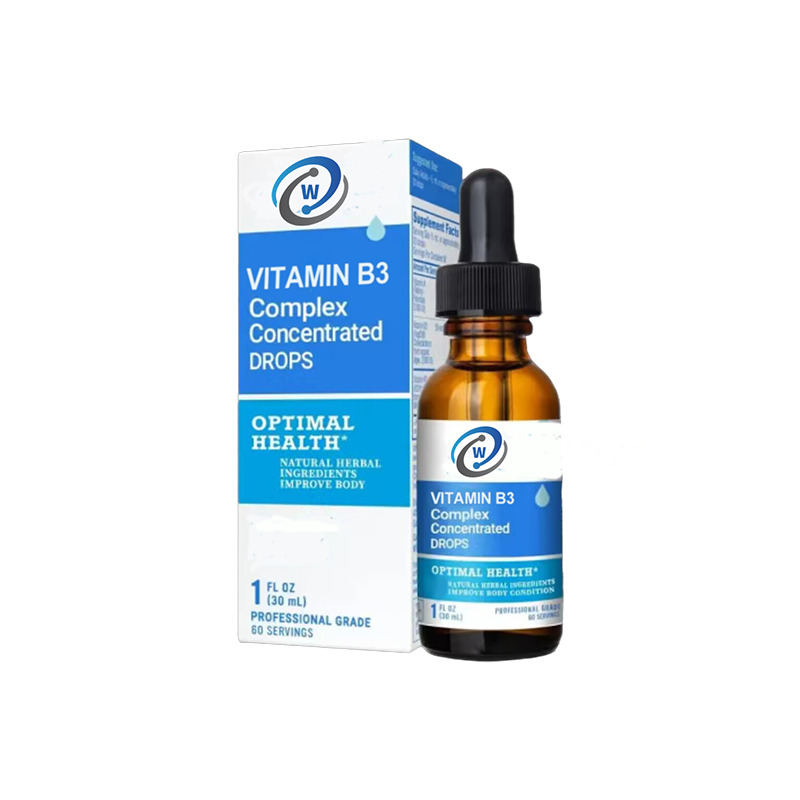



Vitamin B3, also known as niacin, offers several benefits for the body, including:
-
Supporting Energy Metabolism: Vitamin B3 plays a crucial role in converting food into energy. It is involved in the metabolism of carbohydrates, fats, and proteins, helping to produce energy that the body needs for various functions.
-
Supporting Cardiovascular Health: Niacin helps to maintain healthy cholesterol levels in the blood. It can increase high-density lipoprotein (HDL) cholesterol, often referred to as "good" cholesterol, while decreasing low-density lipoprotein (LDL) cholesterol and triglycerides. This can help reduce the risk of heart disease and stroke.
-
Promoting Skin Health: Vitamin B3 has been shown to have beneficial effects on skin health. It can help improve skin barrier function, reduce inflammation, and decrease the severity of acne and other skin conditions.
-
Supporting Brain Function: Niacin is important for brain health and cognitive function. It is involved in the production of neurotransmitters, which are chemicals that transmit signals in the brain. Adequate niacin intake may help support memory, concentration, and overall brain function.
-
Supporting Digestive Health: Niacin is involved in the normal functioning of the digestive system. It helps maintain the health of the digestive tract lining and supports the production of digestive enzymes, which are essential for breaking down food and absorbing nutrients.
-
Supporting Blood Circulation: Niacin can help dilate blood vessels, leading to improved blood circulation. This may benefit people with conditions such as Raynaud's disease or peripheral artery disease.